
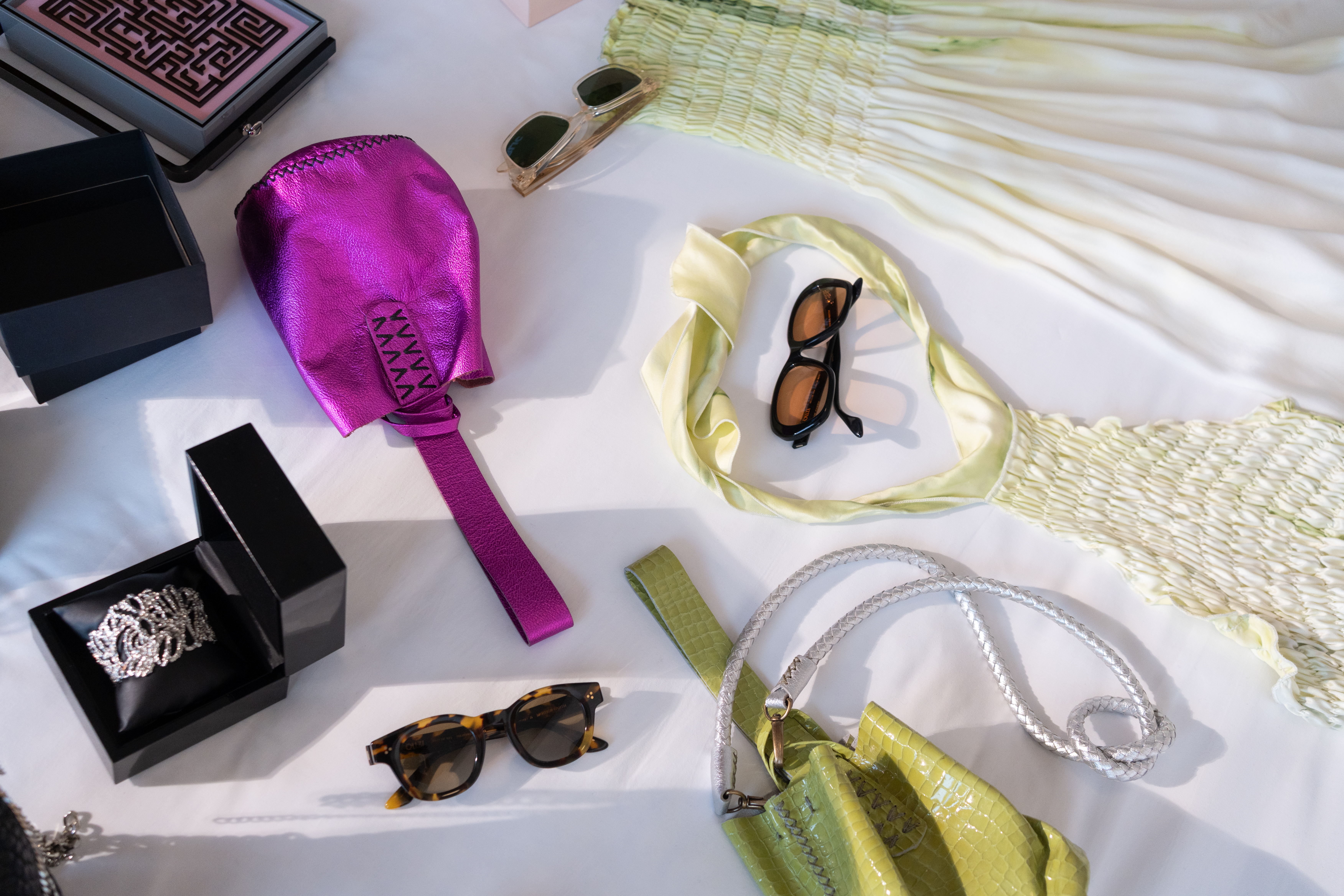
NYC Style Beyond Fast Fashion
New York City is one of the most important fashion cities in the world. It is known for bold ideas, creative energy, and setting global trends. But beyond big brands and fast fashion stores, there is another side of NYC fashion one that is slower, more thoughtful, and deeply personal.
This side is led by NYC independent designers. These designers create clothing in small batches, often locally, with care for people, quality, and the planet. They focus on making pieces that last, instead of chasing short-term trends.
This movement connects closely with sustainable fashion in NYC, where designers aim to reduce waste, support fair work, and respect the environment.
This is also where Wanderobe fits in. Wanderobe connects travelers to local design culture by highlighting independent designers and helping people discover meaningful fashion while exploring New York City.
What Makes NYC Independent Designers Unique
A City Full of Stories and Cultures
New York City is a mix of cultures, backgrounds, and ideas. Independent designers often pull inspiration from their own experiences, their communities, and everyday city life making their work feel authentic rather than mass-produced.
Quality Over Quantity
Many local fashion brands in NYC focus on craftsmanship. Designers are closely involved in every step from design to production resulting in limited runs, better quality, and less waste.
Leaders in Sustainable Fashion NYC
Independent designers often lead sustainability efforts, experimenting with deadstock, alternative materials, and local production. Their work shows that fashion can be responsible without losing creativity or edge.
Featured NYC Independent Designers: Sustainability in Practice
Rather than abstract ideas, NYC’s sustainable fashion movement is built by real people. Here are three designers whose values closely align with Wanderobe’s approach to thoughtful, local style.
NOT
Local Production, Start to Finish
For NOT, sustainability begins with proximity. The brand primarily uses deadstock fabrics sourced in New York, allowing materials to be reused rather than wasted.
What makes NOT stand out is that the entire process from sourcing to construction can happen inside the studio. Keeping production local reduces environmental impact while maintaining strict quality control.
Sustainability Practices:
- Deadstock fabric sourcing
- Fully local NYC production
- Small-batch manufacturing
Why It Resonates with Wanderobe:
NOT’s pieces are ideal for travelers seeking versatile, well-made garments that feel rooted in the city and wearable long after the trip ends.
Saint Sintra
Deadstock, Done with Precision
Saint Sintra is a strong advocate for sustainable practices, particularly through the use of deadstock materials often chosen for their superior quality compared to retail fabrics.
The brand is driven by a deep sense of perfectionism. Every detail matters, because visible effort reflects respect for both the wearer and the craft. Sustainability here isn’t just about materials—it’s about intention, longevity, and building something global without losing integrity.
Sustainability Practices:
- High-quality deadstock materials
- Limited production runs
- Design focused on durability and longevity
Why It Resonates with Wanderobe:
Saint Sintra speaks to travelers who value elevated design and want to support brands that prove sustainability and refinement can coexist.
Pimpinicchio
Designing with the Planet in Mind
Pimpinicchio’s sustainability journey began with a conscious shift in materials. While originally working with leather, the brand transitioned to pineapple leather, a plant-based alternative chosen to better align with its environmental philosophy.
This change reflects a belief that designers have a responsibility to evolve and that material choices matter deeply in shaping fashion’s future.
Sustainability Practices:
- Use of pineapple leather and alternative materials
- Reduced reliance on traditional animal leather
- Design aligned with environmental responsibility
Why It Resonates with Wanderobe:
Pimpinicchio represents mindful evolution showing travelers that ethical choices can still be expressive, stylish, and intentional.
Why Sustainable Fashion Matters in NYC
Fast Fashion vs. Slow Fashion
Fast fashion prioritizes speed and low cost, often leading to waste, pollution, and poor labor practices. Slow fashion emphasizes care of workers, materials, and the environment.
Supporting the Local Economy
Choosing NYC independent designers supports local jobs, keeps money within the community, and helps preserve the city’s creative ecosystem.
Why It Matters for Travelers and Locals
Sustainable fashion helps:
- Reduce clothing waste
- Support ethical production
- Keep NYC’s design culture alive
How Wanderobe Highlights These Designers
Wanderobe brings fashion into the travel experience – not as impulse shopping, but as connection.
By curating pieces from NYC independent designers who prioritize sustainability, Wanderobe helps travelers discover clothing that reflects the real character of the city.
The Wanderobe Experience Includes:
- Curated selections from local designers
- Support for sustainable and ethical fashion practices
- Thoughtful wardrobe building with fewer, better pieces
- A deeper, more personal connection to NYC
Conclusion: Fashion That Reflects the City
NYC independent designers are shaping a better future for fashion one rooted in care, creativity, and conscious decision-making.
By highlighting designers like NOT, Saint Sintra, and Pimpinicchio, Wanderobe helps turn fashion into a way of experiencing New York itself through the people who create here and the values they stand for.